WILLIAMSBURG, VIRGINIA — Hundreds of residents, church members, and community leaders gathered on October 9, 2026, to celebrate the reconstruction of the historic African Baptist Meeting House in Colonial Williamsburg. The ceremony marked a significant milestone in the 250-year history of First Baptist Church, one of the oldest African American congregations in the United States.
First Baptist Church traces its beginnings to 1776, when enslaved and free African Americans gathered to worship despite Virginia laws restricting their religious assemblies. These early believers established a congregation during the same period that the American colonies declared independence, demonstrating their determination to practice their faith even while many remained denied basic freedoms.
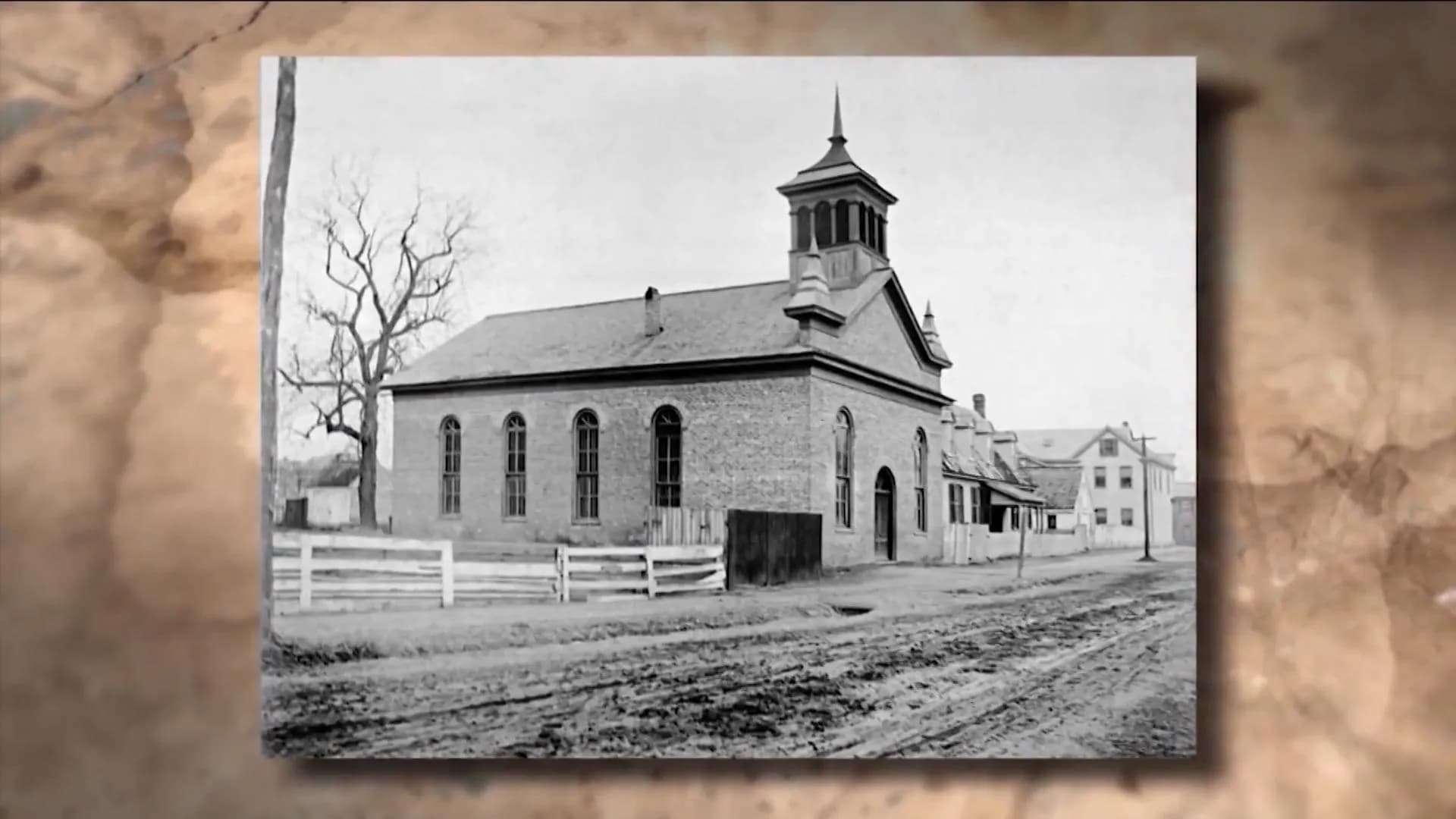
In 1805, members constructed a meetinghouse on Nassau Street using salvaged bricks and other available materials. The building became an important gathering place for worship and community life. A tornado destroyed the original structure in 1834, and a replacement was built in 1856. Approximately a century later, the historic location was converted into a parking lot as part of Colonial Williamsburg's development.
The history of the congregation received renewed attention when archaeological investigations uncovered the original meetinghouse foundation in 2021. Researchers also identified 62 burial sites associated with the historic church community. These discoveries helped establish the location's importance and provided evidence for reconstructing the building on its original site.
The reconstructed meetinghouse measures approximately 16 feet by 32 feet and was designed to reflect its early nineteenth-century appearance. Builders used pine and white oak, recreated historical architectural details, and incorporated features such as handmade-style glass windows. Modern additions, including climate control and accessibility improvements, are intended to make the historic structure suitable for public visitation.
The October 9 dedication included a community procession, musical performances, prayers, and remarks from religious and civic leaders. The Nassau Street Remembrance Choir participated in the celebration, while representatives of Colonial Williamsburg and descendants of the original congregation reflected on the importance of preserving this history. The ceremony also honored Gowan Pamphlet, an enslaved preacher who played a significant role in the congregation's early development.
Pastor Reginald F. Davis, who leads the present-day First Baptist Church congregation, emphasized the importance of recognizing African American contributions to the nation's religious history. The church continues to worship at its modern location on Scotland Street, while the reconstructed meetinghouse serves as a historical connection to the congregation's earliest generations.
The preservation project also represents a change in how Colonial Williamsburg presents the history of the community. For decades, the museum focused primarily on selected aspects of eighteenth-century colonial life, leaving many African American experiences underrepresented. The rediscovery and reconstruction of the meetinghouse are part of broader efforts to acknowledge the contributions of enslaved and free Black residents to Williamsburg's history.
The dedication took place during the church's 250th anniversary celebration, held October 8–11, 2026. The anniversary included worship services, historical commemorations, music, and opportunities for descendants and visitors to reflect on the congregation's legacy. Organizers described the occasion as a celebration of faith, freedom, remembrance, and the continuing importance of the church community.
The reconstructed meetinghouse and surrounding burial ground will provide future generations with an opportunity to learn about the religious lives of African Americans during the nation's founding era. Although the dedication has taken place, some construction and accessibility work remains to be completed before the restoration project is fully finished.
The history of First Baptist Church illustrates how religious communities maintained their identity and traditions despite significant legal and social obstacles. As the United States approaches the 250th anniversary of its independence, the preservation of this historic site offers a reminder that the nation's religious history includes the experiences of people who struggled for freedoms that others already enjoyed.
References:
religionnews/2026/10/12/congregants-celebrate-the-reconstruction-of-one-of-americas-oldest-black-churches/