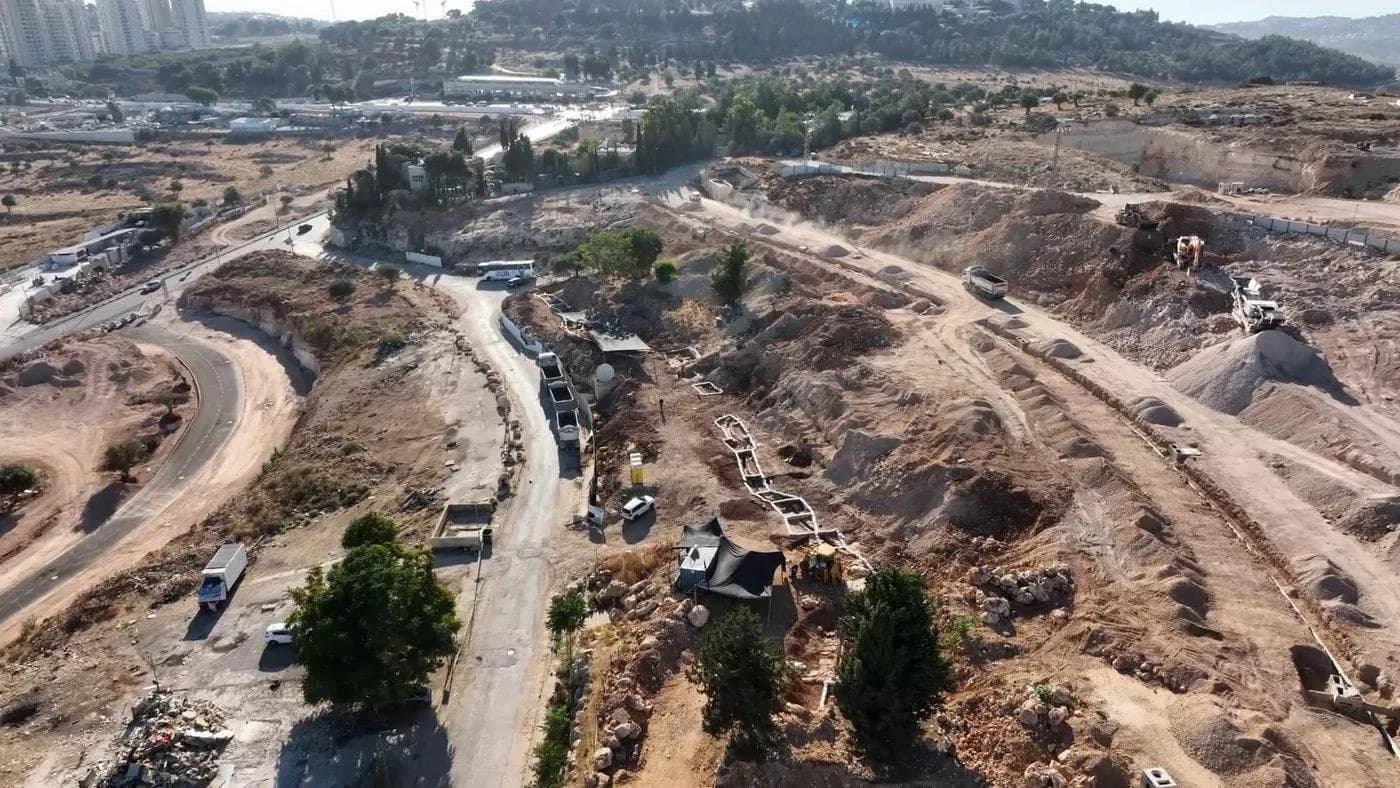
JERUSALEM, ISRAEL — Archaeologists have uncovered a 300-meter section of Jerusalem's ancient Lower Aqueduct, revealing an impressive water system that supplied the city approximately 2,000 years ago. The Israel Antiquities Authority announced the discovery on October 11, 2026, following excavations south of Kibbutz Ramat Rachel, where a new residential neighborhood is planned.
The aqueduct is believed to have been constructed during the Hasmonean period, when Jerusalem was expanding as a religious and political center. It transported spring water from the Gush Etzion region through Solomon's Pools, south of Bethlehem, toward Jerusalem and the Temple Mount. The discovery offers new insight into how ancient engineers addressed one of the city's most important challenges: providing a reliable supply of water.
The Lower Aqueduct extended approximately 21 kilometers, or 13 miles, and operated entirely through gravity. Engineers carefully designed its route to follow the natural contours of the landscape while maintaining a gradual downward slope of approximately one meter per kilometer. This precise calculation allowed water to travel across rocky hillsides without the use of mechanical pumps.
According to Israel Antiquities Authority excavation directors Benyamin Storchan and Gil Freid, the aqueduct was an extraordinary engineering achievement. Its builders incorporated access points for cleaning and maintenance, ensuring that workers could remove blockages and keep the water flowing. The system proved so effective that portions remained in intermittent use until approximately 100 years ago.
The newly exposed section also reveals how Jerusalem's water infrastructure evolved through different historical periods. Originally, water flowed through a constructed channel lined with waterproof plaster. During the Ottoman period, approximately 500 years ago, ceramic pipes were installed within the older channel. Archaeologists also discovered small stones embedded in exterior plaster, reflecting later repairs and modifications.
Water was particularly important to Jerusalem during the Second Temple period. As the city's population increased, local water sources, including the Gihon Spring and collected rainwater, were no longer sufficient to meet growing demand. Additional supplies became especially necessary during the biblical pilgrimage festivals, when large numbers of Jewish worshipers traveled to Jerusalem.
The festivals of Passover, Shavuot, and Sukkot brought pilgrims to the city for worship at the Temple. Maintaining a dependable water supply was essential for residents, visitors, and the activities associated with the Temple complex. The aqueduct demonstrates how Jerusalem's infrastructure developed to support its importance as a center of Jewish worship.
The Israel Antiquities Authority and the Israel Land Authority are now working to preserve the newly discovered remains. Rather than covering the structure beneath modern construction, planners intend to incorporate the exposed section into the entrance of the future residential neighborhood. Visitors will be able to view the ancient aqueduct and better understand its historical significance.
Archaeologists also hope to develop a broader heritage route that would allow visitors to walk alongside portions of the ancient water system. The proposed project would connect Jerusalem's archaeological heritage with its modern urban development, preserving evidence of the engineering knowledge used by earlier generations.
For the Whole Bible Community, the discovery provides valuable historical context for understanding Jerusalem during the Second Temple period. Scripture describes the importance of the Temple and the biblical festivals, while archaeological discoveries help explain the physical infrastructure that supported the city's population and visiting worshipers. Although this aqueduct is not specifically mentioned in the Bible, its construction helps illustrate the world in which Jewish communities lived and worshiped.
The discovery also demonstrates how archaeological research continues to reveal details of everyday life in ancient Israel. From the careful engineering of its original builders to the repairs carried out by successive generations, the Lower Aqueduct represents centuries of planning, adaptation, and preservation. As the newly uncovered section becomes accessible to the public, visitors will have another opportunity to explore Jerusalem's history and its connection to the biblical world.
References:
israelantiquities/news-in-antiquities/2026/10/11/a-long-section-of-jerusalems-2000-year-old-lower-aqueduct-uncovered-in-archaeological-excavations-near-ramat-rachel
jpost/archaeology/article-911290
jta/2026/10/11/israel/archaeologists-uncover-a-300-meter-section-of-ancient-aqueduct-in-jerusalem
jns/news/israel-news/2-000-year-old-hasmonean-aqueduct-section-uncovered-in-jerusalem