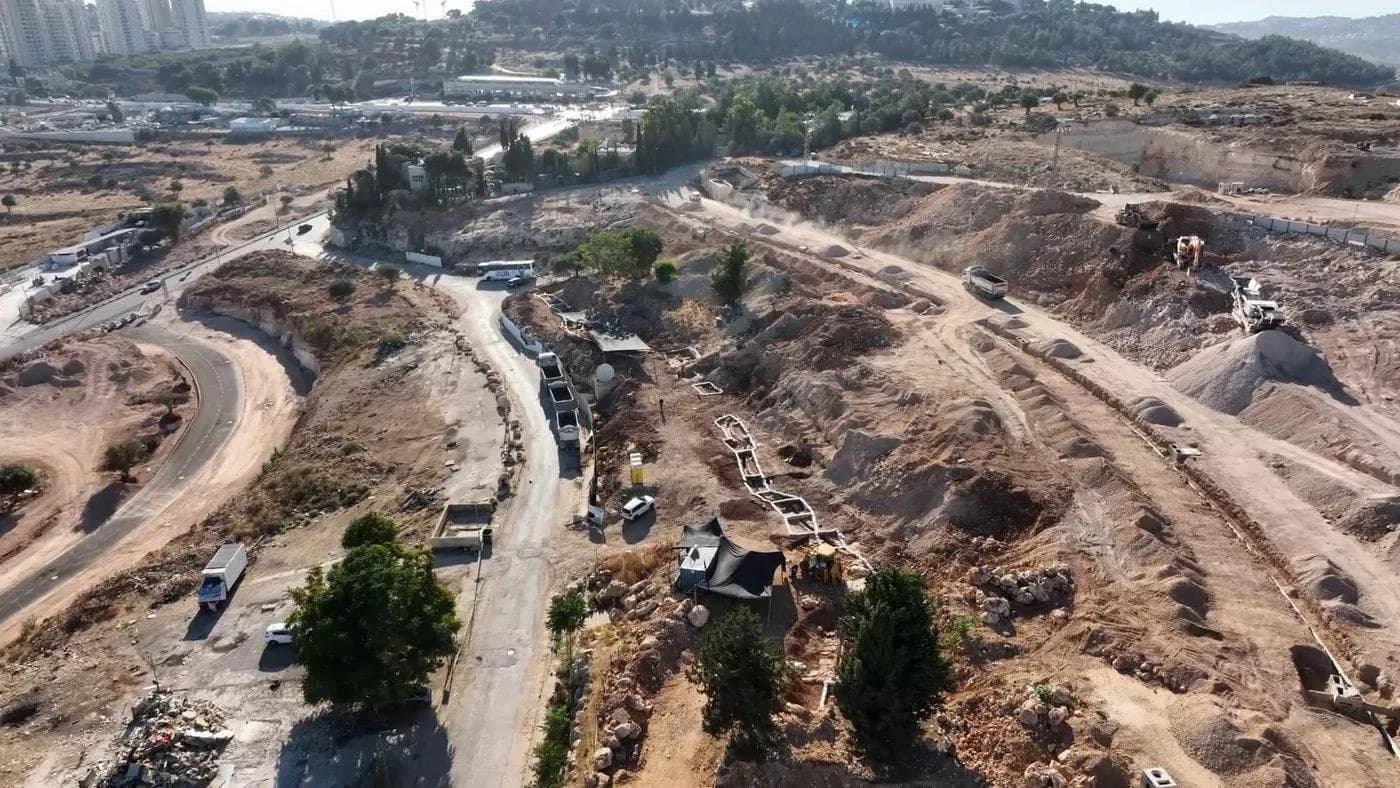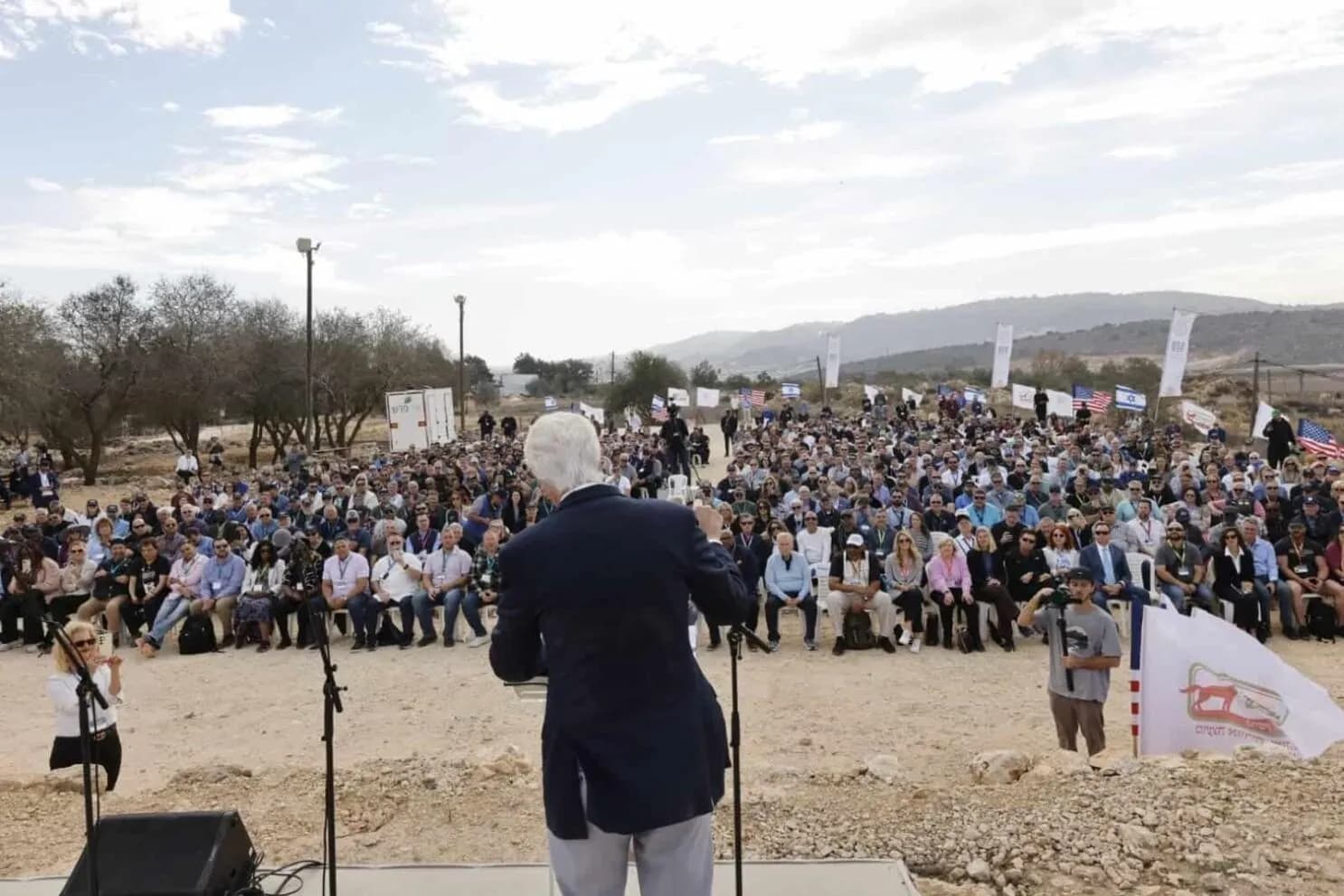
SHILOH, ISRAEL — Approximately 1,200 Christian pastors, community leaders, and representatives from 123 countries gathered at ancient Shiloh on October 9, 2026, during the Friends of Zion Ambassador Summit. The international delegation visited the biblical site to express solidarity with Israel, strengthen relationships between Christian and Jewish communities, and reflect on the historical significance of a location closely associated with the Tabernacle and the worship of ancient Israel.
The gathering formed part of a weeklong summit organized by Friends of Zion and led by its founder, Dr. Mike Evans, in cooperation with Israel's Ministry of Foreign Affairs. The summit, held October 5–11, included visits to historical locations, meetings with Israeli officials, and opportunities to hear testimonies from people affected by the October 7, 2023, attacks. Organizers described the event as an opportunity for Christian representatives from around the world to demonstrate their support for Israel and speak against antisemitism.
During the gathering at Shiloh, Evans emphasized the importance of Christian solidarity with the Jewish people. He pointed to the biblical significance of Judea and Samaria, referring to the history of the twelve tribes of Israel, the Ark of the Covenant, Hannah, and the prophet Samuel. For many participants, the visit provided an opportunity to experience a place they had previously encountered primarily through reading Scripture.
Shiloh occupies an important position in the biblical history of Israel. Joshua 18 describes the assembly of the Israelites at Shiloh and the establishment of the Tabernacle there after their entrance into the Promised Land. The book of First Samuel records Hannah's prayers at the sanctuary and the early ministry of Samuel, who served before the Lord under the priest Eli. These accounts make Shiloh a significant location for those studying the history of biblical worship and the development of ancient Israel.
The gathering also included discussions about modern challenges facing Israel. Ambassador Yacov Livne, a senior representative of Israel's Foreign Ministry, addressed antisemitism and what he described as efforts to spread misinformation about the country. Yisrael Ganz, a regional leader and chairman of the Yesha Council, encouraged Christian participants to support Israeli sovereignty in Judea and Samaria, a position that remains politically disputed. Palestinians seek the territory for a future state, while much of the international community considers Israeli settlements in the area unlawful under international law.
The Shiloh visit followed a larger gathering in Jerusalem near the Western Wall, where Christian and Jewish participants commemorated the victims of the October 7 attacks. Summit activities included remembrance events and opportunities to hear from released hostages, bereaved families, wounded Israelis, and Holocaust survivors. Organizers said these encounters were intended to help participants better understand the experiences of Israeli communities and share those testimonies with audiences in their home countries.
The summit also reflected the continuing relationship between evangelical Christian organizations and Israel. Friends of Zion has organized international events, educational programs, and advocacy initiatives intended to strengthen Christian support for the Jewish people. Its Ambassador Summit brought together participants from different countries and backgrounds around shared interests in biblical history, remembrance, and opposition to antisemitism.
For the Whole Bible Community, the gathering at Shiloh highlights the importance of understanding the historical and geographical setting of Scripture. The biblical accounts of the Tabernacle, Hannah, Eli, and Samuel are connected to a real location that continues to attract visitors interested in the history of Israel's worship. Studying these places can provide additional context for understanding the events recorded in the Hebrew Scriptures.
The visit also offers an opportunity to consider the relationship between faith, historical remembrance, and modern political questions. While participants expressed support for Israel, discussions about the future of Judea and Samaria remain contested. Recognizing the biblical significance of Shiloh does not remove the need to distinguish ancient history from present-day political claims and the perspectives of communities living in the region.
As the Friends of Zion Ambassador Summit concluded, participants prepared to return to their countries with experiences from Israel's biblical sites and conversations with people affected by the October 7 attacks. The gathering at Shiloh demonstrated how locations described in Scripture continue to bring international visitors together and encourage conversations about faith, history, remembrance, and relations between Christians and the Jewish people.
References:
jns/news/israel-news/christian-leaders-from-123-countries-visit-ancient-shiloh
israeltoday/read/christian-leaders-from-123-countries-gather-at-ancient-shiloh-to-stand-with-israel/